
Outcomes
How 2xN Built a Website That Talks About Sex Properly
When a psychosexual nurse specialist needed a digital presence as honest and unshockable as she is, we built one that finally matched the conversation.
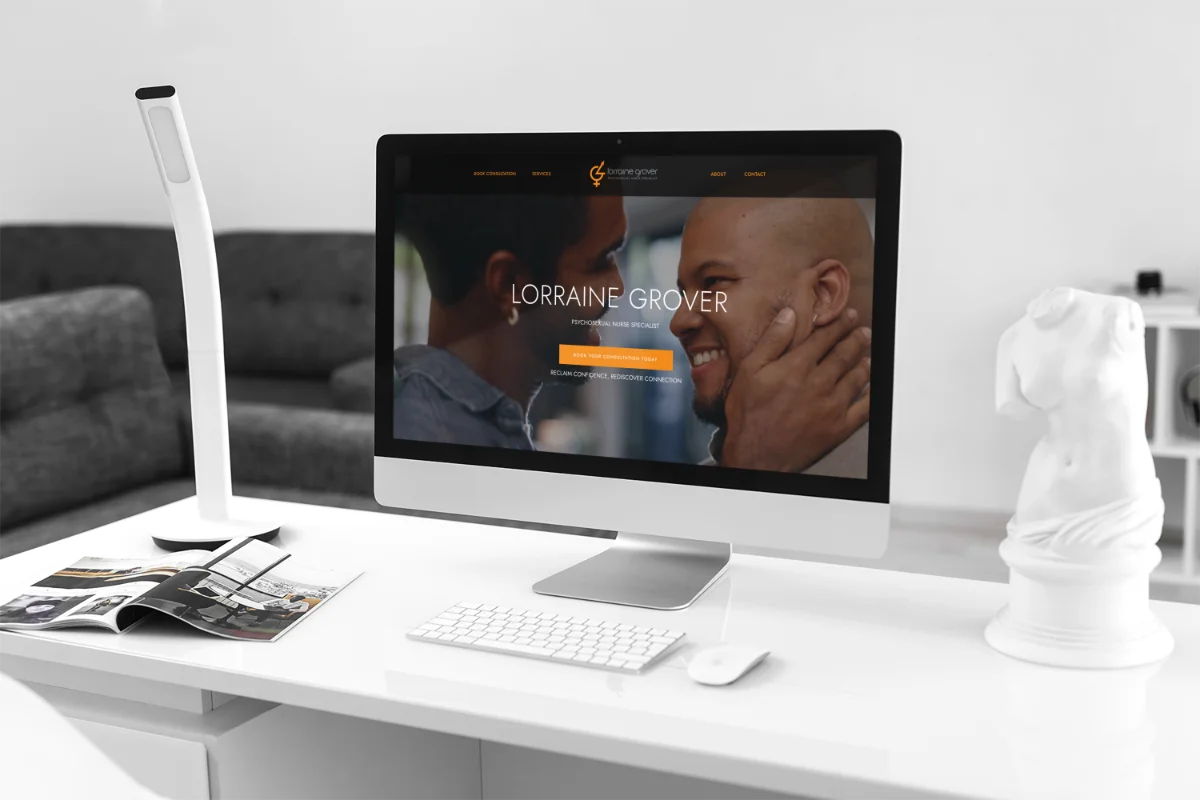
Here's an unpopular opinion: most healthcare websites are absolutely terrified of the thing their patients actually came to talk about. Vague euphemisms, clinical stock photography of people laughing at salads, contact forms buried three clicks deep. Heaven forbid anyone actually say what they need help with.
Lorraine Grover doesn't work that way. She's a psychosexual nurse specialist who talks about sex for a living. Openly, professionally, without flinching. Her website needed to do exactly the same.
Why the old website for healthcare specialist wasn't working
Lorraine's entire practice is built on something most people struggle with: talking honestly about sex and sexual health without shame or awkwardness. That's an unusual skill in healthcare. It's also genuinely valuable.
Her previous site didn't reflect any of it. It read like every other clinical website for healthcare specialist out there. Cautious. Generic. Hiding behind soft language when what people actually needed was clarity, warmth and permission to say the thing they'd been too embarrassed to say anywhere else.
That's a problem. The person searching for a psychosexual nurse specialist at midnight isn't in the mood for vague. They're anxious. They've probably Googled around in circles already. They need to land on a page that immediately tells them: yes, this is a safe place, yes, this person has seen it all before, and no, you don't need to explain yourself in code.
Building a website for healthcare specialist that matches the person
This is where the brief got interesting. Most healthcare rebuilds are about polish and reassurance. This one needed both of those things plus something rarer: personality.
Lorraine isn't a faceless clinic. She's a specific person with a specific, direct way of talking about sexual health. The entire point of the new site was to let that come through rather than sanding it down into something safely bland.
The messaging had to sound like her. Not a marketing team's idea of a nurse specialist. Not a watered-down, committee-approved version. Her actual voice: warm, direct, unembarrassed. The kind of person who can say the clinical name for a condition and the plain-English version in the same breath and make you feel better for it.
Getting that right meant a lot of conversation before a single word went on the page. Tone here wasn't decoration. It was the entire point. That's where our content writing expertise really mattered.
Handling taboo subjects without flinching or oversharing
There's a genuine skill to writing about sexual health online. Say too little and you're back to the useless euphemisms that sent people searching in the first place. Say too much, or say it in the wrong register, and you undermine the very trust you're trying to build.
The line we walked was clinical honesty delivered with warmth. Naming conditions plainly. Explaining what a consultation actually involves. Never once making the reader feel judged or exposed for needing help.
Search engines needed convincing too. People don't always search using the terms a specialist would use themselves. So our SEO strategy had to bridge that gap, matching the plain, sometimes hesitant language real people type into Google with the accurate clinical terms that make the site discoverable and credible at the same time.
Getting found matters little if the person can't relate to what they find once they arrive. Both sides needed equal attention.
Why digital presence matters more in sensitive healthcare
Here's where I get properly opinionated: for most services, a mediocre website for healthcare specialist costs you a booking. For a psychosexual specialist, a mediocre website costs someone the one moment of courage it took them to search for help in the first place.
If the site feels clinical, cold or embarrassed of its own subject matter, plenty of people will simply close the tab. They'll go back to suffering in silence. That's much higher stakes than the usual 'your website matters' argument.
A website that's honest about sex, that treats the subject with the same matter-of-fact confidence Lorraine brings to her consultations, does something a lot of healthcare marketing forgets to do. It makes the first, hardest step easier.
Reading a page that says the quiet part out loud, calmly and professionally, can be the difference between someone booking an appointment and someone closing the laptop and trying to forget the problem exists. According to research published by the National Center for Biotechnology Information, patient anxiety around discussing sexual health remains a significant barrier to care.
Making the website for healthcare specialist work harder
The new site is only the beginning. Ongoing content, built around the real questions people are too embarrassed to ask anyone in person, keeps the site visible in search. More importantly, it keeps doing the quiet work of normalising these conversations before anyone's even picked up the phone.
Every piece of content is a chance to make the taboo feel a little less taboo. One honest, well-written page at a time. That's where website design and build meets strategy.
Getting the structure right
We built clear pathways to information. No buried contact forms. No vague service descriptions. Just straightforward explanations of what Lorraine does, who she helps and how to book. The NHS recognises psychosexual therapy as an important service, but access to clear information remains patchy.
The services we provided went beyond just building pages. We created a digital presence that matched the human behind it.
What happens when specialists get their digital identity right
Working with Lorraine was a good reminder that the most valuable brief isn't always 'make this look professional'. Sometimes it's 'make this sound like the actual human being behind it'.
Especially when that human being has spent a career doing the hard work of making an uncomfortable subject feel normal. Get that right, and the website stops being a barrier between a nervous patient and the help they need. It starts being the thing that gently opens the door.
If your practice deals with subjects other people are too nervous to touch, your website is precisely the place that nervousness gets solved or made worse. Your digital presence needs to be as honest and unshockable as you are.
Ready to talk about your project?
Start a conversation →